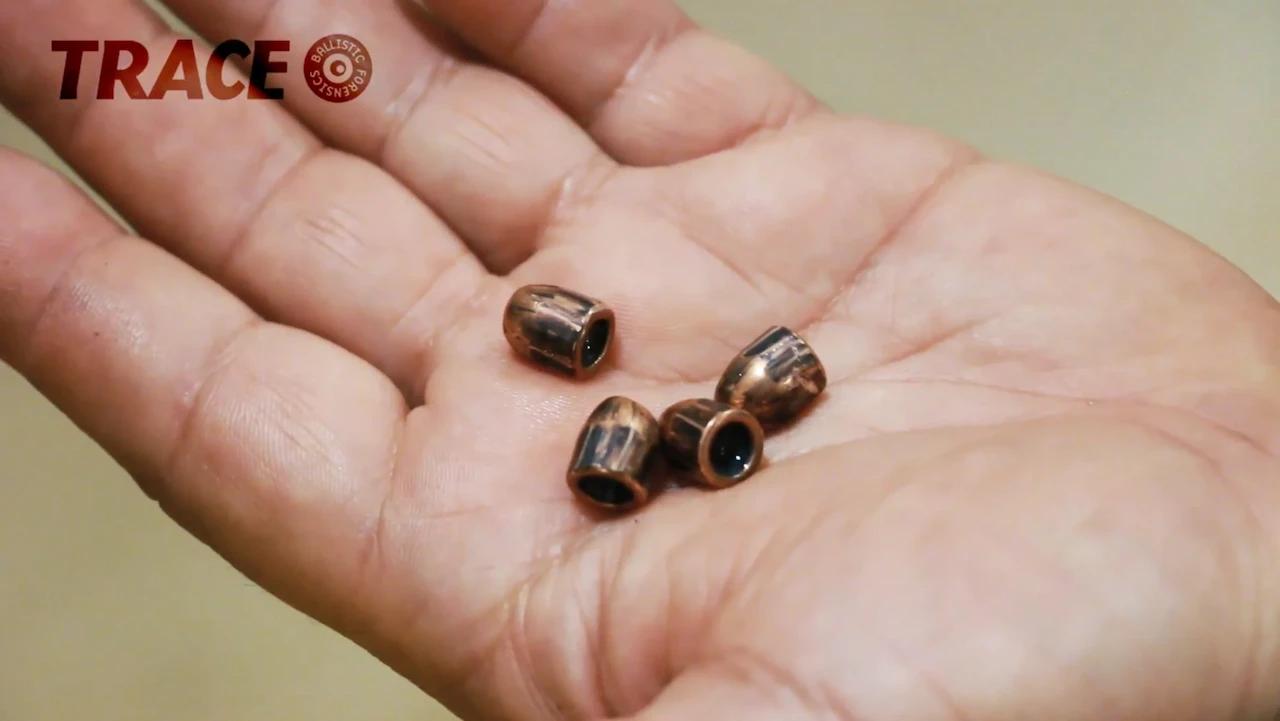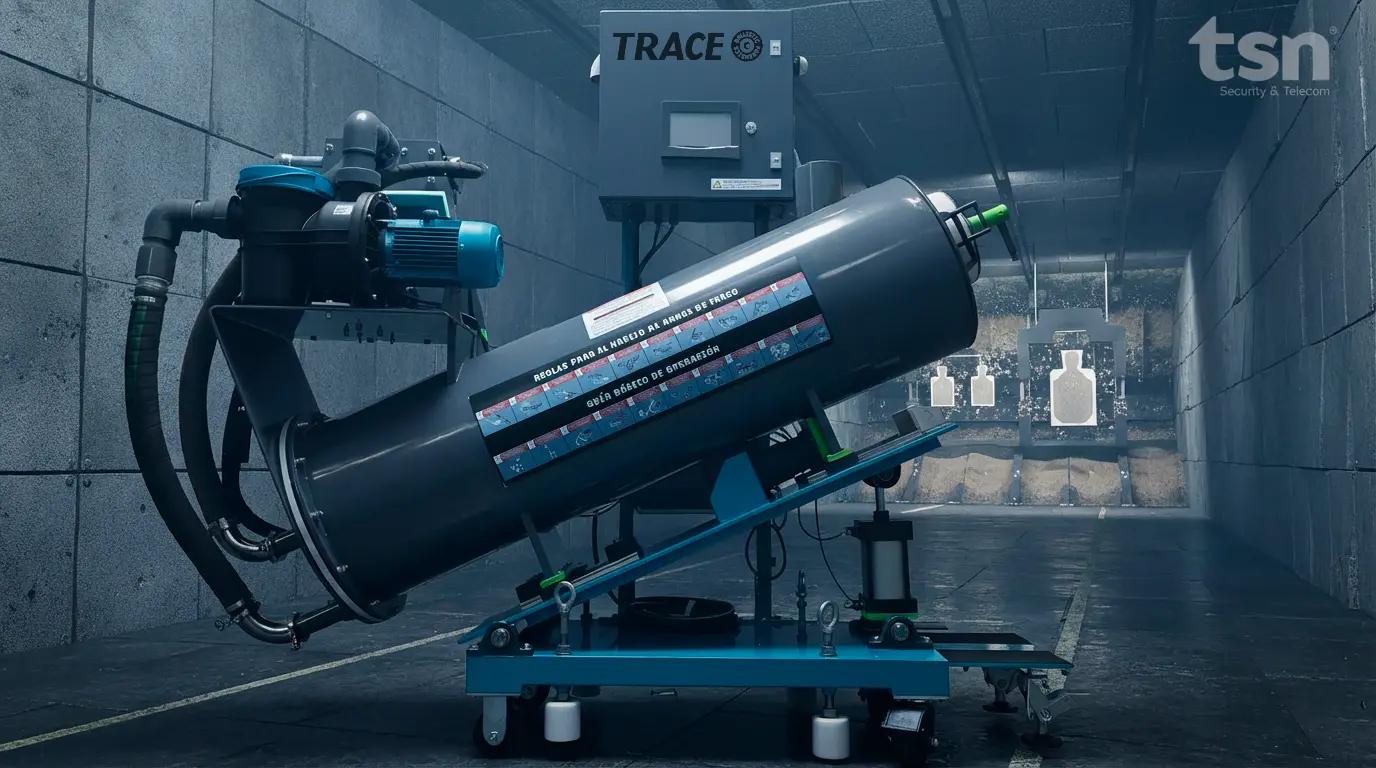
For decades, forensic laboratories and firearms examination units have relied on traditional bullet recovery methods such as water tanks and improvised recovery setups. These systems helped labs recover test-fired bullets for comparison, but they also introduced operational constraints that many laboratories now consider unacceptable: bulky footprints, wet handling, slower workflows, maintenance burdens, and limitations around safety, cleanliness, and evidence handling.
Today, that standard is changing.
As forensic laboratories face growing caseloads, pressure for faster turnaround, cleaner chain-of-custody workflows, and better integration with digital comparison systems such as IBIS and NIBIN, many agencies are rethinking what a modern ballistic recovery system should look like.
A new generation of bullet recovery systems is emerging—designed not just to stop projectiles, but to improve the entire forensic process around test firing, evidence handling, lab safety, and examiner productivity.
The problem with traditional bullet recovery tanks
Traditional water tanks were widely adopted because they allowed fired bullets to be recovered with relatively limited deformation. That made them useful for forensic comparison. But what worked decades ago is not necessarily what serves a modern crime lab today.
In real operations, legacy recovery methods often create five recurring problems:
1. Large space requirements
A conventional water tank setup usually demands significant floor space. That becomes a problem for labs that are already constrained, especially in urban agencies, state crime labs, and mobile forensic units.
2. Slow and messy retrieval
Recovering bullets from water-based systems often involves wet handling, draining, manual retrieval, and cleanup. That adds friction to the workflow every time an examiner conducts test fires.
3. Maintenance burden
Water systems require ongoing maintenance, cleaning, water management, and monitoring. Over time, this becomes an operational drag rather than just a facility detail.
4. Evidence handling inefficiency
In a forensic environment, every extra manual step matters. The more time spent locating, drying, handling, and transferring recovered bullets or casings, the greater the inefficiency introduced into the evidence workflow.
5. Poor fit for modern lab expectations
Modern forensic labs increasingly want cleaner, more enclosed, and more controlled systems that align with current expectations around operator safety, space optimization, digital workflow, and professional presentation.
A lab may tolerate these issues if there is no alternative. But that is no longer the case.
What a modern ballistic recovery system should do
A modern ballistic chamber should not be judged only by whether it stops a fired round. That is the baseline. The real question is whether it improves the total workflow of the examiner and the laboratory.
A truly modern forensic ballistics equipment solution should help a lab:
- recover bullets and casings efficiently,
- reduce mess and manual handling,
- improve operator safety,
- preserve evidence quality,
- reduce space requirements,
- support cleaner chain-of-custody processes,
- integrate more naturally into digital comparison workflows,
- and project a more advanced, professional capability to stakeholders.
This is where agencies are beginning to separate outdated infrastructure from true forensic modernization.
Why workflow matters more than ever in forensic ballistics
Firearms examiners are not just firing weapons into a recovery medium. They are operating inside a larger evidence and intelligence process.
Recovered bullets may be used for:
- microscopic comparison,
- firearm and toolmark examination,
- entry into IBIS or NIBIN workflows,
- evidentiary documentation,
- and court-supported forensic reporting.
When a bullet recovery system slows down the examiner, creates messy retrieval conditions, or adds unnecessary handling steps, the issue is not just inconvenience. It affects productivity, consistency, and ultimately the lab’s capacity.
That matters even more for agencies dealing with:
- high test-fire volume,
- backlog pressure,
- multi-weapon comparison demands,
- and the need to support intelligence-led firearms investigations.
In that context, the ballistic recovery chamber is no longer a passive piece of equipment. It becomes an active part of lab throughput.
Moving beyond water tanks: the rise of enclosed ballistic chambers
One of the biggest shifts in the market is the movement away from traditional water tanks and toward enclosed ballistic recovery chambers.
These systems are attracting attention because they are designed around operational realities, not old assumptions.
Compared with legacy recovery tanks, an enclosed ballistic recovery system can offer advantages such as:
- smaller footprint,
- cleaner recovery process,
- controlled evidence retrieval,
- improved operator experience,
- more professional integration into lab environments,
- and better suitability for fixed labs and mobile forensic units.
For agencies building or upgrading a forensic firearms lab, this is no longer a niche consideration. It is becoming a procurement-level question: should the lab continue to invest in legacy recovery methods, or adopt a more advanced recovery platform built for modern forensic operations?
The importance of bullet and casing recovery in one workflow
In many traditional setups, projectile recovery is the main focus, while casing handling becomes a secondary process. But from a forensic standpoint, both matter.
A better system should support a workflow where the examiner can manage both bullet recovery and casing recovery with greater control and less disruption.
This becomes especially relevant for:
- firearm identification,
- toolmark analysis,
- comparative examinations,
- and digital entry workflows tied to intelligence systems.
The more efficiently a system helps preserve and organize test-fired evidence, the stronger the downstream forensic process becomes.
What forensic labs should ask before buying a ballistic chamber
Too many purchasing decisions are made around simplistic specs or legacy familiarity. That is a mistake.
Before selecting a new ballistic chamber or bullet recovery system, agencies should ask:
How much floor space does the system require?
Space is not a side issue. It affects layout, expansion flexibility, and whether the system can realistically fit into current or future lab infrastructure.
How fast is the evidence retrieval process?
If recovery is slow, messy, or heavily manual, the hidden operational cost will show up every week.
How clean is the workflow?
A cleaner workflow means less interruption, less contamination risk, and a better operating environment for examiners.
How well does it support forensic chain of custody?
The system should help the lab operate with discipline and consistency, not force awkward evidence handling steps.
Is it suitable for modern digital forensic workflows?
Labs increasingly need systems that align with IBIS and NIBIN processes and broader evidence digitization expectations.
Is it appropriate for mobile labs or compact forensic spaces?
Not every agency has the luxury of a large permanent facility. Some need compact systems or mobile deployment capability.
Does it improve the examiner’s daily work?
This is the question many buyers ignore. Equipment that looks acceptable on paper but creates friction every day is a bad investment.
Why this shift matters for public safety agencies
This is not only a lab issue. It is a public safety issue.
When forensic teams can recover evidence faster, process test fires more efficiently, and support firearm identification workflows with less friction, the broader investigative ecosystem benefits.
That can contribute to:
- faster case support,
- improved firearm intelligence workflows,
- more scalable forensic operations,
- stronger use of ballistic evidence,
- and better overall support for law enforcement agencies.
In other words, better forensic firearms lab equipment does not just improve a room. It improves capability.
TRACE and the new standard in ballistic recovery
At TRACE, we believe ballistic recovery should reflect the realities of modern forensic work.
A modern ballistic recovery system should do more than capture a fired bullet. It should support cleaner evidence handling, safer operation, more efficient recovery, and a workflow designed for today’s forensic laboratories—not yesterday’s.
That is why agencies are increasingly looking for alternatives to traditional water tanks and legacy bullet traps. They want systems that are compact, professional, operationally efficient, and aligned with the demands of firearms examination, toolmark analysis, and digital ballistic intelligence workflows.
TRACE was developed around that shift.
Our approach is centered on helping forensic labs modernize how they recover, handle, and process test-fired evidence—without the inefficiencies and operational compromises of traditional systems.
The future of ballistic recovery is operational, not just technical
The forensic market is moving toward systems that combine safety, evidence quality, workflow efficiency, and integration readiness.
That means the future winner in this category will not be the system that merely stops bullets. It will be the one that improves how labs work.
For agencies evaluating the next generation of ballistics recovery chambers, the question is no longer whether modernization is possible.
The question is whether continuing with legacy methods still makes operational sense.
If your lab is still relying on traditional bullet recovery tanks, now is the time to reassess what a modern forensic ballistic workflow should look like.