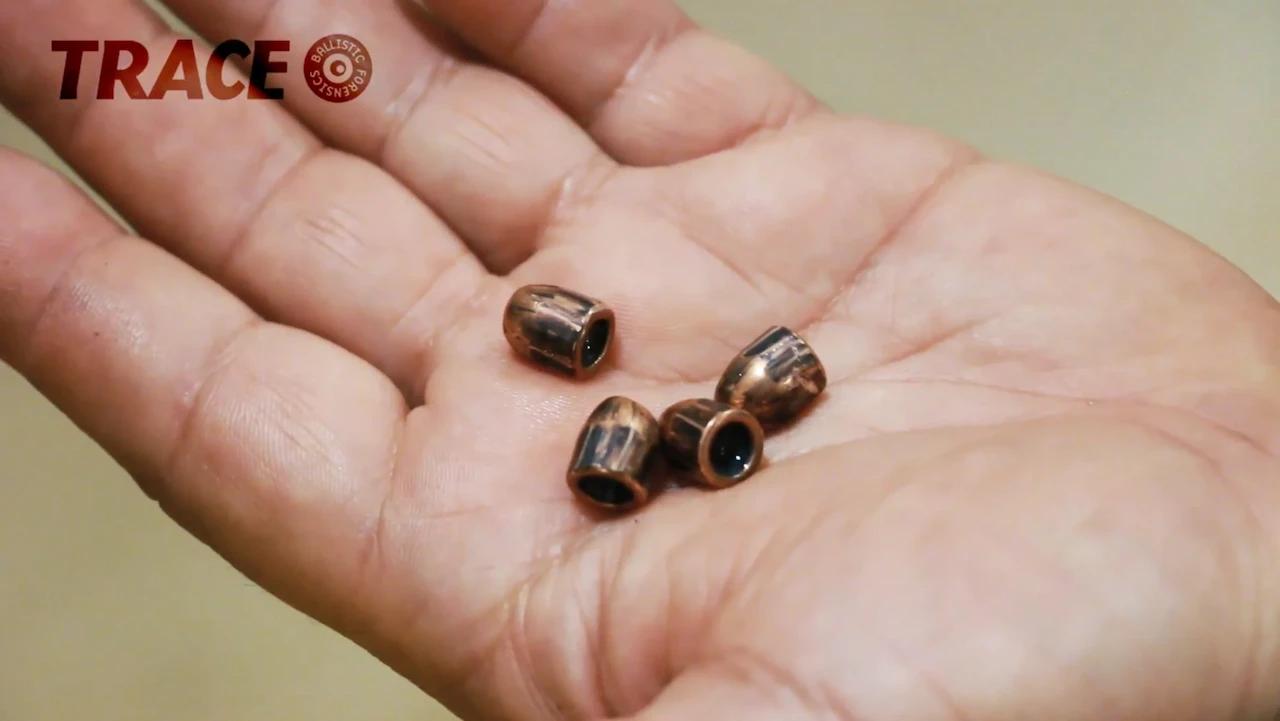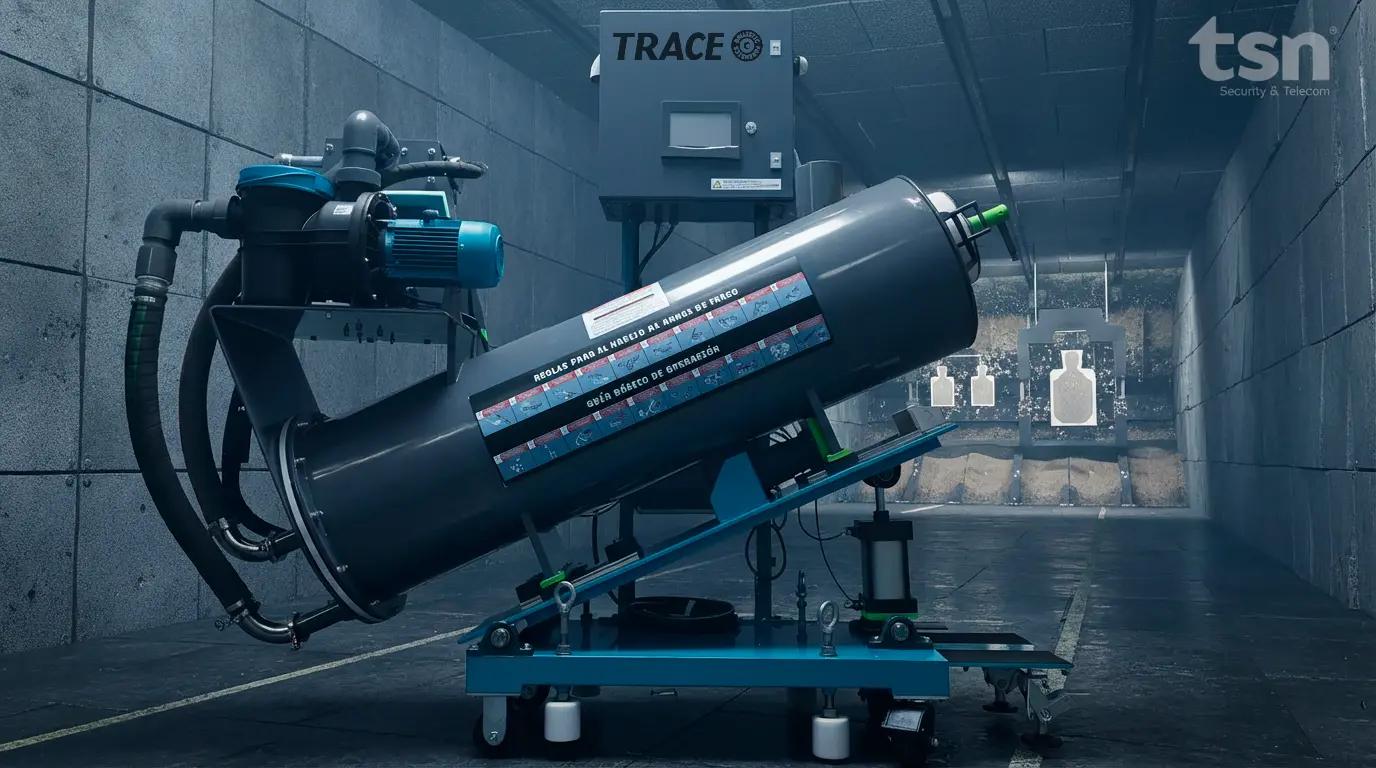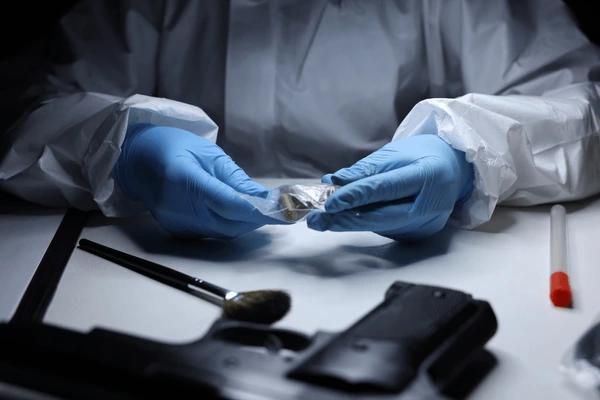
When a crime lab evaluates a bullet recovery system, the central question is not whether the system can stop a fired round. Many systems can do that.
The real question is whether the system can recover bullets in a way that supports forensic comparison, preserves critical marks, improves workflow, and performs reliably under real laboratory conditions.
For a firearms examiner, recovered bullets are not just objects. They are comparison evidence. If the recovery method introduces unnecessary damage, inconsistency, contamination, or delay, the system is not helping the lab. It is interfering with the work.
That is why crime labs should evaluate bullet recovery systems based on forensic performance first, and operational convenience second.
Bullet integrity comes first
The primary purpose of a bullet recovery system in a forensic environment is to recover bullets in a condition suitable for microscopic comparison and examination.
That means the system should support the preservation of key surface detail, including rifling impressions, land and groove markings, and other microscopic characteristics that may be relevant during firearms identification and toolmark analysis.
If recovery damages or compromises those details, the system fails at the most important point in the process.
A good bullet recovery system should help the examiner obtain bullets with the level of integrity needed for confident comparison work. That is the foundation. Everything else is secondary.
Repeatability matters more than marketing language
In forensic work, consistency matters.
A system is not valuable simply because it works once or under ideal conditions. It must produce repeatable recovery results across regular use. Examiners need to trust that the system will perform predictably from one test fire to the next and from one case to another.
Repeatability matters because it supports standardization inside the lab. It reduces variation in recovery conditions and helps create a more controlled examination process.
When crime labs assess a bullet recovery system, they should ask whether it supports a repeatable evidence recovery process, not just a successful one.
Evidence handling should be fast, clean, and controlled
After the bullet is recovered, the next issue is how that evidence is handled.
A strong system should allow for rapid recovery without creating unnecessary mess, excessive manipulation, or awkward retrieval steps. The more cumbersome the recovery process becomes, the more time is lost and the more friction is introduced into the examiner’s workflow.
A clean and controlled evidence recovery process is valuable for several reasons:
- it helps preserve the condition of recovered bullets,
- it reduces unnecessary handling,
- it supports stronger workflow discipline,
- and it improves overall lab efficiency.
In a busy firearms unit, recovery speed is not a luxury. It directly affects productivity.
Operator safety should be built into the workflow
Crime labs should never evaluate bullet recovery technology only from the perspective of the projectile. They must also evaluate it from the perspective of the operator.
A bullet recovery system should support safe, controlled test fire procedures and safe interaction before, during, and after use. Safety is not only about containing the shot. It is also about how easily and consistently the system can be used without awkward workarounds or unnecessary exposure to risk.
The best systems reduce complexity in the operating process. They make correct use easier and more natural. In a laboratory environment, that matters.
Throughput matters in real lab operations
Firearms examination units do not operate in theory. They operate under case pressure, time constraints, and workload realities.
That is why throughput matters.
If a bullet recovery system slows the examiner down between shots, requires excessive reset time, or creates repeated interruptions during use, it becomes a bottleneck. A lab may tolerate that for a while, but over time the inefficiency compounds.
A well-designed bullet recovery system should support:
- faster turnaround between test fires,
- more efficient evidence retrieval,
- less interruption in the work sequence,
- and smoother case processing.
This is especially relevant for labs facing growing caseloads or seeking to modernize without increasing staffing.
Cleanliness and contamination control are not secondary issues
Forensic work depends on discipline.
A bullet recovery system that creates excessive mess, uncontrolled retrieval conditions, or unnecessary contact points adds avoidable risk to the process. Cleaner recovery does not just improve the appearance of the lab. It improves process control.
Crime labs should favor systems that support a cleaner evidence environment and a more controlled recovery sequence. This helps reduce avoidable contamination concerns and improves confidence in the handling process.
In forensic operations, cleaner workflow usually means better workflow.
Reliability under routine use is essential
Labs do not buy bullet recovery equipment for occasional demonstration. They buy it for repeated operational use.
That means reliability matters. A system should function consistently over time without excessive servicing, awkward upkeep, or constant operator adjustments. Maintenance should not become a hidden burden that pulls time away from casework.
Low maintenance is valuable, but not because convenience is the priority. It matters because examiners and lab personnel should be focused on evidence work, not on managing a demanding piece of equipment.
A reliable system supports casework. An unreliable one competes with it.
Workflow fit should be part of the buying decision
A bullet recovery system is not an isolated product. It becomes part of the lab’s daily process.
That means crime labs should evaluate how well the system fits into the actual firearms examination workflow. Does it help the examiner move from test fire to evidence retrieval to comparison with minimal friction? Does it support an orderly sequence of work? Does it reduce unnecessary handling and wasted motion?
These are practical questions, but they are also forensic questions. A system that fits naturally into the lab workflow will usually produce better operational results than one that forces the examiner to adapt around its limitations.
Secondary features still matter
Primary selection criteria should remain forensic performance, evidence integrity, recovery consistency, safety, and workflow efficiency.
But secondary features still add value, especially when two systems are otherwise close in core capability.
These include:
- easy movability within the lab,
- easier storage when space is limited,
- compact footprint,
- lower maintenance requirements,
- and flexibility for changing room layouts or mobile environments.
These are not the reasons a forensic expert chooses the technology in the first place. But they can strengthen the operational value of the system once the core forensic requirements are met.
What crime labs should prioritize
When evaluating a bullet recovery system, crime labs should prioritize the following:
1. Preservation of bullet detail
The system should recover bullets in a condition suitable for firearms identification and microscopic comparison.
2. Repeatable recovery performance
The recovery process should be consistent and controlled across repeated use.
3. Rapid and clean evidence retrieval
The examiner should be able to retrieve bullets efficiently without excessive mess or handling burden.
4. Safe operation
The system should support safe, controlled use as part of a routine lab workflow.
5. Workflow efficiency
The system should reduce bottlenecks, not create them.
6. Reliability and low maintenance
The equipment should perform consistently without becoming a maintenance problem.
7. Practical operational advantages
Movability, compactness, and storage flexibility are valuable after the core forensic criteria are satisfied.
Conclusion
A crime lab should not choose a bullet recovery system based on convenience features alone, and it should not evaluate the equipment only by whether it can stop a fired round.
The real standard is higher.
The right system should recover bullets in a way that supports forensic comparison, preserves critical detail, enables repeatable results, improves evidence handling, protects the operator, and helps the examiner work more efficiently.
That is what crime labs should look for in a bullet recovery system.
And once those forensic requirements are met, additional advantages such as low maintenance, easier movement, compact storage, and faster recovery make the system even more valuable in modern lab operations.